Your Wardrobe Knows More Than You Think: A Smarter Way to Edit, Evaluate, and Shop with Purpose
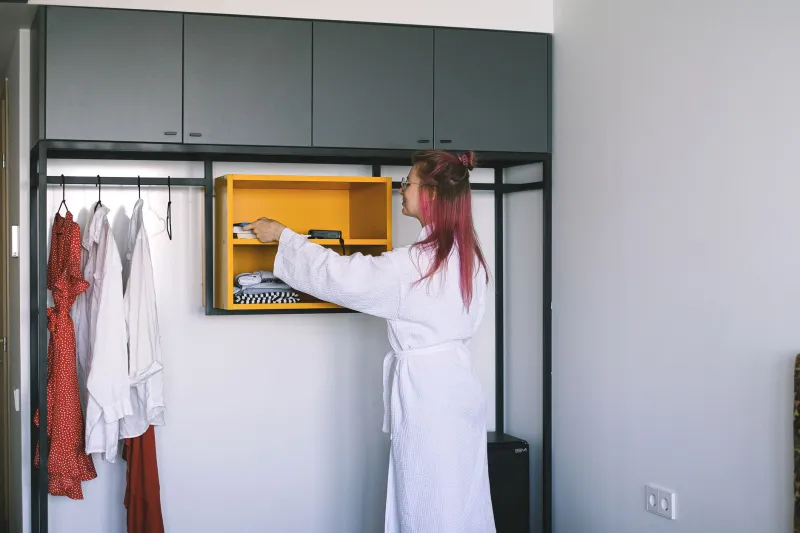
Most of us have done the closet purge at least once. You pull everything out, make a pile for Goodwill, shove the rest back in, and feel great for about two weeks — until nothing looks right again and you're back to buying things you don't need. Sound familiar?
The problem isn't motivation. It's method. A real wardrobe audit isn't just about decluttering. It's about learning something from what's hanging in your closet so you can stop repeating the same shopping mistakes. Think of it less like spring cleaning and more like a personal style inventory — one that tells you exactly what to keep, what to let go, and what's quietly missing from your rotation.
Here's how to actually do it.
Start With What You Reach For — Not What You Love
There's a meaningful difference between the pieces you love and the pieces you wear. We all have that gorgeous blazer we bought on sale that lives permanently on the hanger because it doesn't quite go with anything else. Love it? Sure. Wear it? Not really.
Before you even think about donating, spend a week or two paying attention to your daily choices. Which items do you instinctively grab? What do you skip over without thinking? If you want to get methodical about it, try the hanger trick: turn all your hangers backward at the start of the month. Each time you wear something, flip the hanger the right way. At the end of 30 days, anything still facing backward is telling you something important.
This exercise isn't about judging your taste — it's about collecting honest data. The goal is to separate the stuff you actually live in from the stuff you're just storing.
Sort by Function, Not Just Feeling
Once you've got a clearer picture of your go-tos, it's time to look at your wardrobe through a lifestyle lens. Most people sort clothes by category (tops, bottoms, dresses) but a more useful framework is sorting by context.
Think about where you actually spend your time:
- Work or professional settings — whether that's an office, client meetings, or video calls where you need to look pulled together from the waist up
- Casual everyday life — errands, coffee runs, weekends, hanging with friends
- Active or outdoor use — workouts, hiking, walks, anything that requires actual movement
- Evenings out or events — dinners, weddings, date nights, holiday gatherings
Now ask yourself: does what you own actually match how you spend your time? A lot of people discover they have way too many dressy pieces for a lifestyle that's 90% casual, or a gym drawer overflowing with athleisure for someone who works out twice a month. Neither is a character flaw — it's just useful information.
When your closet reflects your actual life rather than some aspirational version of it, getting dressed every single day gets so much easier.
The Three-Pile System That Goes Beyond "Keep or Toss"
Forget the classic two-pile approach. A three-category sort gives you way more nuance:
Keep: Pieces you wear regularly, feel good in, and that fit your current lifestyle. These earn their real estate.
Let go: Things that don't fit well, haven't been worn in over a year, or belong to a chapter of your life that's genuinely passed. Donate, sell on Poshmark or ThredUp, or pass along to someone who'd actually use them.
Revisit: This is the pile most audits skip — and it's arguably the most valuable one. These are the items you want to wear but somehow never do. Maybe they need a small alteration, or you've never found the right thing to pair them with. Before you donate a piece just because you haven't worn it, ask yourself: is there a simple fix that would actually bring this into rotation? Sometimes a hem, a different undergarment, or one new piece to pair it with is all it takes.
Spot the Gaps (This Is Where the Real Shopping Roadmap Lives)
Here's the part most closet cleanouts completely miss: figuring out what you don't have that you actually need. Once you've sorted through everything, look at what's left and notice the holes.
Common gaps people discover:
- No versatile, wear-anywhere bottoms that transition from day to evening
- Plenty of statement tops but nothing neutral to ground them
- Zero occasion-ready options when something unexpected comes up
- Layers that work in theory but don't actually go with anything else they own
Write these down. Seriously, make a list. Because this is your personal shopping roadmap — and it's worth so much more than a vague intention to "find a good white button-down someday." When you know specifically what's missing, you shop with intention instead of impulse. You stop buying things that are exciting in the store but orphaned in your closet.
Build a "Next Purchase" Priority List
Not all gaps are equally urgent. Once you've identified what's missing, rank your needs:
- High priority: Things you need right now and find yourself wishing you had on a weekly basis
- Medium priority: Pieces that would genuinely expand how much you can do with what you already own
- Nice to have: Things that would be great but aren't creating any real friction in your daily getting-dressed routine
This list becomes your filter the next time you're browsing. If something isn't on it — or doesn't at least connect to a gap you identified — it's probably not the purchase that's going to move the needle for you.
Make It a Habit, Not a One-Time Event
The closet audits that actually stick aren't annual mega-events — they're smaller, more regular check-ins. A quick 15-minute reset at the start of each season is honestly more effective than one massive overhaul every few years. Things change: your lifestyle shifts, your taste evolves, your body changes. Your wardrobe should keep up.
The goal isn't a perfect closet. It's a working one — a collection of pieces that genuinely serve your real life, reflect who you actually are right now, and make shopping feel purposeful instead of random.
When you know your wardrobe that well, every new piece you bring in has a reason to be there. And that? That's when getting dressed stops feeling like a problem and starts feeling like a pleasure.