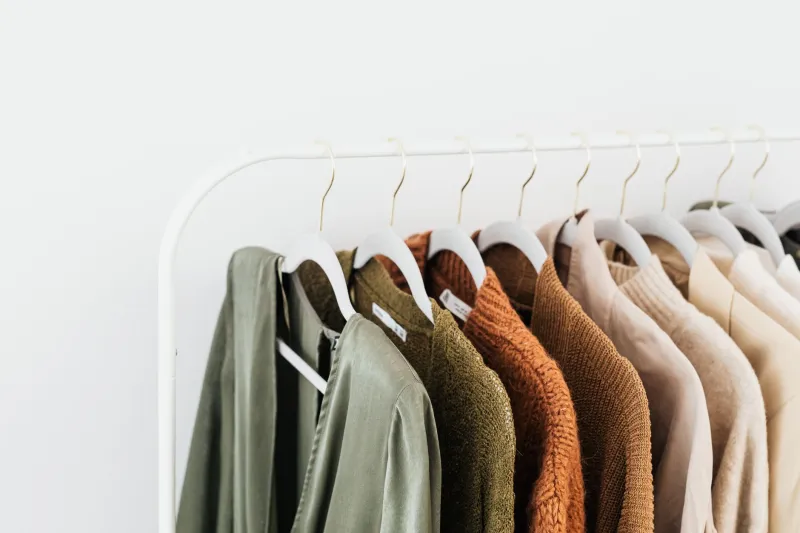
Your Seasonal Style Refresh Doesn't Have to Cost a Fortune — Here's How to Pull It Off

Every season, the same thing happens. You open your closet, stare at your clothes, and feel that vague, nagging sense that nothing quite fits the moment anymore. The colors feel wrong, the layers don't match the weather, and somehow everything you own seems like it belongs to a slightly different version of you.
The temptation is to go shopping and solve it all at once. We get it. But a seasonal wardrobe refresh doesn't have to mean a big haul — and honestly, the most satisfying updates rarely come from spending the most money. Here's how to do it smarter.
Step One: Shop Your Own Closet First
Before you spend a single dollar, dig into what you already own. Seriously — this step alone can feel like discovering a new wardrobe.
Pull out pieces from the back of your closet that you haven't seen in a while. Try things on in new combinations. A dress you've been wearing solo all summer might become a completely different outfit layered over a fitted turtleneck in fall. A chunky knit you wrote off last winter might pair perfectly with the wide-leg trousers you just bought.
Seasonal transitions are actually the best time to experiment with layering and unexpected combinations, because the temperature changes force you to think differently about what you own. Give yourself 30 minutes to play — no pressure, no agenda — and you might be surprised what you rediscover.
Step Two: Identify Your Actual Gaps
Once you've done a thorough look at what you have, make a list of what's genuinely missing — not what looks appealing on Instagram, but what would actually solve a real problem in your daily getting-dressed routine.
Common seasonal gaps include:
- A transitional layer (a lightweight jacket or overshirt that works when it's not quite coat weather)
- Footwear that bridges seasons (ankle boots, loafers, or sneakers that work across a range of temps)
- A versatile bottom (a trouser or skirt that pairs with both warm-weather tops and cold-weather layers)
- A refreshed color or texture that updates the feeling of your existing pieces without replacing them
Being specific about your gaps keeps you from buying things that feel exciting in the store but don't actually integrate into your wardrobe. A list with three real needs will serve you better than a vague desire to "update your look."
Step Three: Know When to Invest and When to Skip
Not everything on your list deserves the same budget. Here's a quick framework for deciding where to put your money:
Invest in:
- Outerwear (you'll wear it constantly and it's the first thing people see)
- Shoes and boots (quality footwear lasts for years and elevates everything)
- Core basics that you'll wear multiple times a week
- Items that require structure or tailoring to look right
Save on (or skip entirely):
- Trend-driven pieces with a short shelf life
- Anything you're buying because it's on sale, not because you need it
- Accessories that are very of-the-moment — these can be found for a fraction of the cost at places like TJ Maxx, thrift stores, or resale apps
- Duplicates of things you already own that are "fine but not perfect"
The general rule: the longer you'll realistically wear something, the more sense it makes to spend on it. The shorter the trend cycle, the lighter your investment should be.
Step Four: Work the Resale Market
If there's one shopping habit that genuinely changes the math on seasonal refreshes, it's embracing secondhand. The resale market in the US has exploded over the past few years, and platforms like Poshmark, Depop, ThredUp, and The RealReal have made it genuinely easy to find high-quality pieces at a fraction of retail.
For trend-adjacent items especially, resale is a no-brainer. Someone else bought that on-trend blazer at full price last season, wore it a handful of times, and is now selling it for 60% less. That's a win for your wallet and for the planet.
Also worth knowing: end-of-season sales at your favorite retailers are one of the best times to invest in quality basics. Buying a great cashmere sweater in late January — when it's marked down 40% — means you're set for next fall before you've even thought about it.
Step Five: Update Accessories Before You Update Clothes
This is one of the most underrated refresh strategies out there. New accessories can make your existing wardrobe feel completely different — and they're almost always a fraction of the cost of new clothing.
A few seasonal accessory swaps that make a big impact:
- Swap out your everyday bag. A structured tote or a crossbody in a fall-appropriate color (think cognac, forest green, or deep burgundy) can shift the whole feel of an outfit.
- Update your belt. A simple leather belt in a new finish or width changes the silhouette of pieces you've worn a hundred times.
- Add a scarf or hat. These are inexpensive, they're deeply seasonal, and they're the kind of detail that makes an outfit look considered.
- Switch your jewelry metals or styles. Going from gold to silver, or from delicate to chunkier pieces, is a low-cost way to shift your aesthetic for a new season.
Step Six: Be Strategic About What's Trending
Not every trend is worth chasing, and not every trend will work for your specific wardrobe. Before you buy something because it's everywhere right now, ask yourself:
- Does this work with at least three things I already own?
- Will I still want to wear this in two years?
- Does it fit my actual lifestyle, or just my aspirational one?
If a trend passes that test, go for it — trends exist for a reason, and there's nothing wrong with enjoying fashion as it evolves. But if you're buying something purely because you're seeing it everywhere, that's a sign to pause. The best seasonal refreshes are the ones that still feel like you a year from now.
The Bottom Line
A seasonal wardrobe refresh is really just an opportunity to reassess, edit, and add with intention. The goal isn't a whole new closet — it's a closet that works a little better for the season ahead.
At Shop Ava, that's the kind of shopping we're always encouraging: thoughtful, purposeful, and genuinely satisfying. Because the best outfit you own is one you actually reach for — and that has nothing to do with how much it cost.